How to Recognize a High-Quality Sofa? 5 Tips from a Designer

What Makes a High-Quality Sofa? A Designer Explains What to Look for When Buying One
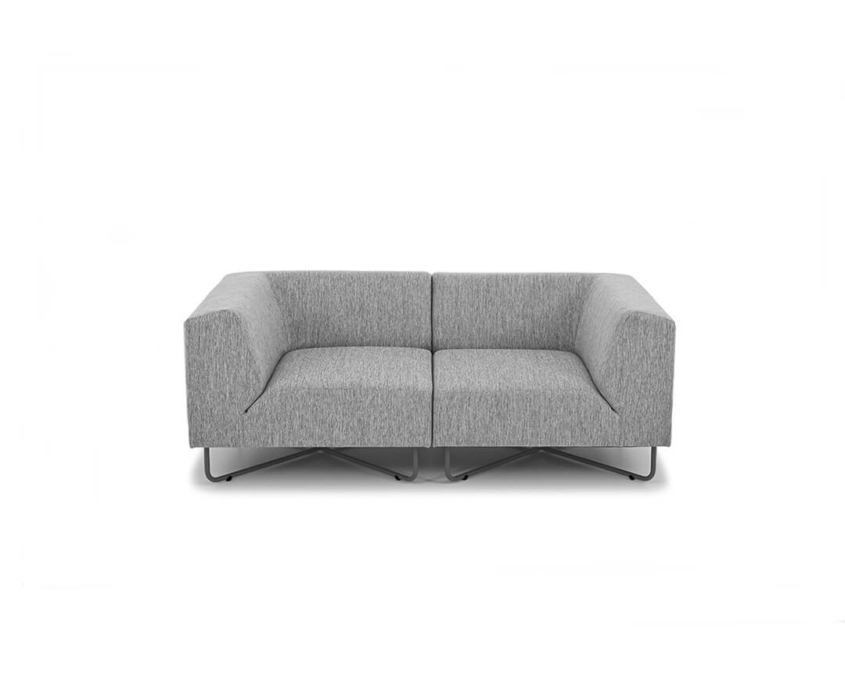
Why does one sofa cost €1,000 while another costs €3,000, even though they may look almost identical at first glance? Is a more expensive sofa always better? And how can you tell whether a sofa will still feel comfortable after sitting on it for several hours?
We asked Marko Ala, designer and co-founder of OOT-OOT Studio, to share his experience of designing and manufacturing sofas and explain what really makes the difference.
1. Why is there such a big difference in sofa prices? Why does one sofa cost €1,000 and another €3,000?
The first and most important difference is the materials. There are cheaper and more expensive materials, and their quality and durability can vary enormously. Higher-quality materials generally cost more, but they also help the sofa last much longer.
Let me give you a few examples.
First, the sofa frame.
Think of it as the foundation of the sofa. Everything else is built on top of it. A good sofa frame is made from materials such as solid wood, high-quality plywood or metal. Cheaper sofas often use particleboard, sometimes called chipboard.
If the frame is well made, the sofa has a strong foundation that can last for years. But if the foundation is weak, the rest of the sofa is unlikely to be particularly durable either.
The next important thing is the suspension system.
This is what supports the seat cushions. Metal zigzag springs, for example, are generally a very durable solution that can last for many years. A cheaper alternative is elastic webbing, which may stretch and lose tension over time. As a result, the sofa can start to sag.
Springs are more expensive, while elastic webbing is cheaper. And that’s another reason for the price difference.
The third important factor is what’s inside the seat cushions.
Most people are familiar with foam, but there are actually huge differences between different types of foam. Cheaper foams often have a lower density and may start to lose their shape noticeably within just a couple of years.
Interestingly, a sofa with cheaper foam can feel really comfortable in the showroom. Lovely and soft. But that softness may not last. After a while, the cushions can become so soft that you simply sink into them.
A better solution is HR foam, which stands for High Resilience Foam. It’s a highly resilient material that retains its shape and properties much better over time. Of course, it may become slightly softer with use, but it doesn’t lose its support nearly as quickly.
Naturally, this type of material is more expensive.
Another step up is seat cushions with pocket springs. This is a high-quality, durable solution. Usually, the springs are combined with an additional layer of foam.
At OOT-OOT Studio, we use high-quality HR foam for this layer, ensuring that the cushioning above the springs is just as durable.
All these solutions affect the final price, even though two sofas may look almost identical from the outside.
And then there’s the upholstery fabric.
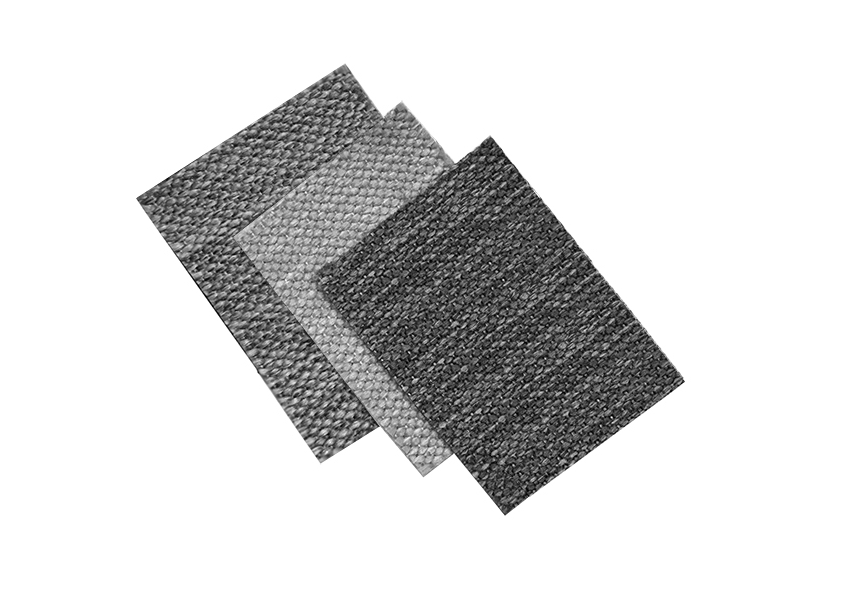
Fabric is actually one of the biggest factors affecting the price of a sofa. The price per metre can vary enormously. One fabric might cost just a few euros per metre, while another could cost €60 or more.
When you consider that a single sofa may require 10–20 metres of fabric, the difference becomes quite significant.
Cheaper fabrics may wear out more quickly, stretch or start to pill. They may also be more difficult to clean.
Higher-quality fabrics are often more thoroughly tested, more durable and sometimes manufactured with greater consideration for their environmental impact. Of course, a higher price doesn’t automatically guarantee better fabric, but material quality is certainly an important factor.
And finally, there’s something I think people don’t talk about enough – the design itself.
A well-designed sofa doesn’t happen by accident.
A designer needs to think through countless details. At what angle should the backrest be positioned? What should the seat angle be? How thick should the different foam layers be, and how soft or firm should each one feel?
All these things affect whether a sofa is genuinely comfortable to sit on.
And then there’s the appearance. Are the proportions of the armrests, seat and back cushions in harmony? Does the sofa feel visually balanced as a whole?
These things might seem obvious, but they’re actually the result of very deliberate design work.
2. Does the price of a sofa indicate its quality?
I think price is one of the first indicators of quality.
If a sofa is extremely cheap, there’s a good chance that compromises have been made somewhere. Materials, construction, upholstery fabric and the work involved in manufacturing – all these things cost money.
When you use higher-quality materials, the production cost inevitably increases.
But that doesn’t mean an expensive sofa is always a high-quality one.
For example, it’s quite common in the furniture industry to see products deliberately given a high original price so they can then be offered at a seemingly huge discount.
In those cases, the original price doesn’t necessarily reflect the actual value of the product.
So yes, price can be an important indicator, but it’s definitely worth understanding what you’re actually paying for.
3. How can you tell whether a sofa is good quality when visiting a furniture showroom?
First of all, I’d recommend finding out what the sofa frame is made from.
If the frame is made mainly from particleboard, I’d personally consider that a warning sign. If it’s made from solid wood, high-quality plywood or metal, that’s generally a positive sign.
It’s also worth asking about the suspension system and the materials used inside the seat cushions.
You can’t always see these things from the outside, but the salesperson should be able to explain them.
One thing you can immediately assess, however, is how the upholstery fabric fits the sofa.
If the fabric already looks stretched, loose or wrinkled in the showroom, and the sofa doesn’t look fresh anymore, I’d be cautious.
If a sofa already looks tired when it’s new, it’s unlikely to improve with use.
Of course, this also depends on the type of fabric and the sofa’s design. Some sofas are intentionally designed to have a more relaxed, slightly wrinkled appearance. But if the upholstery is supposed to be neat and fitted, and it’s already looking stretched in the showroom, that’s not a good sign.
4. What are the most common mistakes people make when judging a sofa’s comfort?
I think the most common mistake is simply not spending enough time trying the sofa.
People walk into a showroom, sit down on the corner of a sofa for a moment and mainly judge whether it feels soft.
But that doesn’t really tell you how comfortable it will be after sitting on it for a longer period.
One very important detail is the angle of the seat cushion.
Cheaper sofas often have completely horizontal seats, meaning the seat cushion is parallel to the floor.
On a sofa with carefully considered ergonomics, the seat may slope slightly towards the backrest. This allows your body to rest in a more natural position and can make sitting much more comfortable.
Achieving that angle may require a more complex construction, which naturally increases manufacturing costs.
Another important factor is the shape and softness of the backrest.
Sometimes a sofa looks beautiful, but the back cushions are too firm or too upright.
In my opinion, a good back cushion should provide firmer support for the lower back, while the upper part should be softer, allowing your shoulders to relax comfortably.
That means the materials inside the back cushion, and how they’re arranged, need to be carefully considered as well.
If these details haven’t been thought through, a sofa might feel perfectly fine during a quick test in the showroom, but the shortcomings can become noticeable after sitting for longer.
And it’s also important to remember that there’s no single sofa that’s perfect for everyone.
Some people prefer to sit more upright, with a higher seat and firmer support.
Others want to lounge, put their feet up and really settle into the sofa. In that case, a lower sofa with a deeper seat is often a better choice.
Even two people of exactly the same height can have completely different preferences.
That’s why I don’t think there’s one ideal seat height or depth that works for everyone.
My advice is to always try a sofa properly before buying it. And don’t just sit down for a few seconds. Try it in the positions you’d actually use at home.
5. Does a more expensive sofa last longer, and is it worth the investment?
Generally speaking, yes – provided the higher price reflects better materials and construction.
If the frame, suspension, seat cushions and upholstery are more durable, the sofa as a whole will usually last longer.
But there’s another interesting aspect that people don’t always consider.
A high-quality designer sofa may also retain more of its resale value.
Cheaper mass-produced sofas are often fairly anonymous. They may not have a named designer or a particularly distinctive design. Once purchased, they may not be especially attractive on the second-hand market.
Designer sofas can be different.
If a sofa was created by a recognised designer, has a distinctive design and is well made, people may still be interested in buying it many years later.
There are buyers who specifically look for furniture by well-known designers on the second-hand market.
This means that if you decide to change your interior or replace your sofa at some point, you may be able to sell a quality designer sofa for significantly more than an anonymous mass-produced one.
Of course, this depends on the particular model, its condition and the demand for it.
So when buying a sofa, it’s worth looking beyond the initial price.
Think about how long it will last, how comfortable it will remain over the years and whether it might still have value when you no longer need it.
In Conclusion: A Good Sofa Is More Than Just a Beautiful Piece of Furniture
The quality of a sofa doesn’t come down to just one material or feature.
It’s a combination of a strong frame, durable suspension, high-quality cushioning, good upholstery fabric and thoughtful design.
I think the most important thing to understand is that two sofas that look very similar at first glance can be completely different on the inside.
One might remain comfortable for only the first few years, while the other could serve you well for much longer.
That’s why I always recommend asking what a sofa is made from, taking the time to try it properly and thinking about what kind of comfort you actually need.
A good sofa shouldn’t just feel comfortable on the day you buy it. It should still feel comfortable years later.